Explore the Heart of Resistance: Exploring the Museum of the Warsaw Uprising
The Warsaw Uprising Museum stands as a tribute to the resilience of those who faced oppression. It presents a remarkable glimpse into the hardships suffered during a critical chapter in history. Visitors can engage with compelling exhibits showcasing individual accounts and shared history. This exploration of the past raises important questions about freedom and the ongoing struggle for democratic values. What insights can we gather from these accounts, and how do they resonate today?
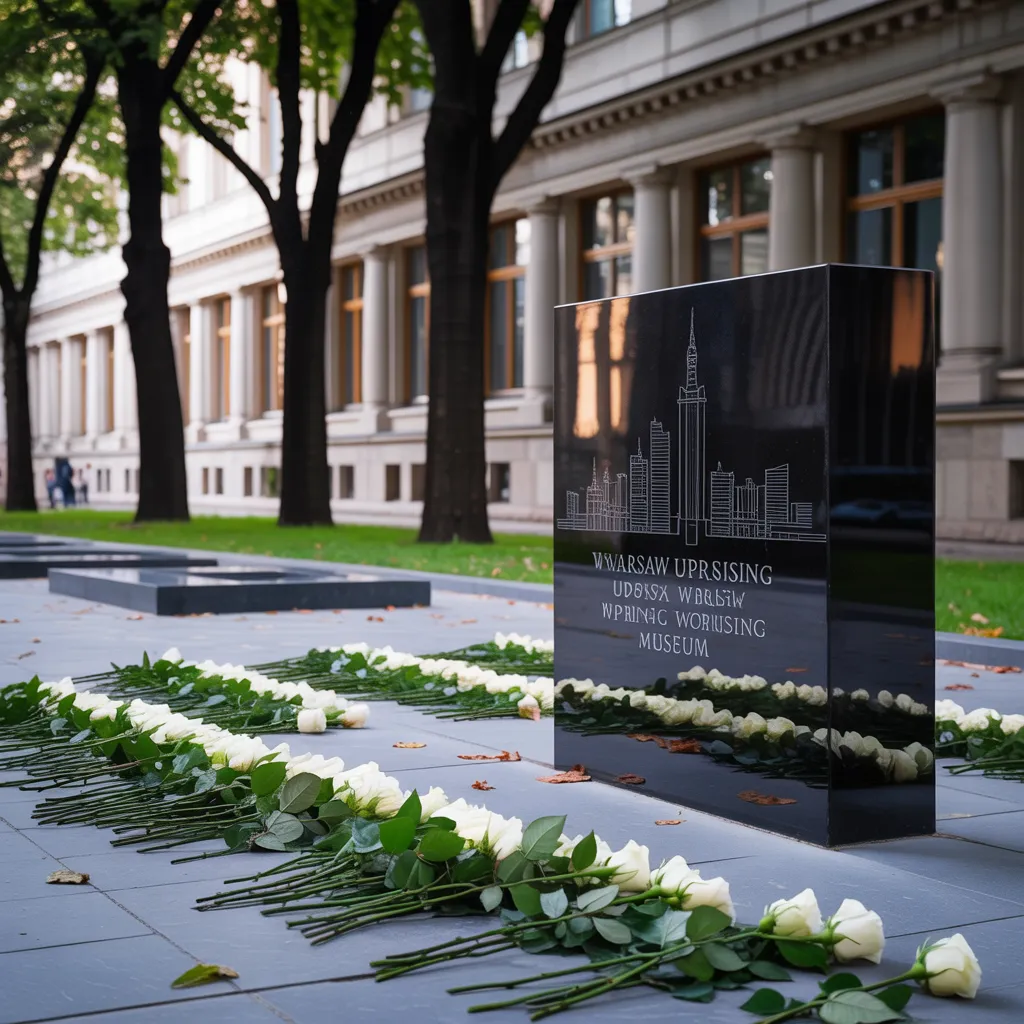
Why The Warsaw Uprising Matters Today
The relevance of the Warsaw Uprising resonates deeply in today's world, representing strength against subjugation. This historical event, which transpired in the course of the Second World War, underscores the bravery of those who stood against oppression, rendering it a powerful reference point for current struggles against oppressive regimes. The revolt acts as a reflection of the price paid for liberty, fostering a spirit of obligation to defend democratic ideals in our time.
At a time defined by increasing nationalism and populist sentiment, the teachings of the Warsaw Uprising inspire watchfulness against the undermining of civil freedoms. It additionally nurtures a collective appreciation for the significance of joint endeavors in defending human rights. Additionally, the uprising connects generations, linking the narratives of past heroes with contemporary movements for justice. Therefore, its enduring legacy motivates individuals and communities worldwide, emphasizing the enduring fight for freedom and equality.
Explore Key Exhibits and Personal Stories
While visiting the Warsaw Uprising memorial museum, guests are able to explore key exhibits that vividly portray the difficult experiences of those who participated. The museum's collection includes photographs, personal artifacts, and historical documents that illustrate the daily struggles faced by both civilians and resistance fighters. A particularly moving display showcases a collection of letters written by insurgents, exposing their innermost hopes and anxieties throughout the conflict. Yet another display brings to light the narratives of households that were uprooted, emphasizing the profound impact of the conflict on ordinary lives.
Moreover, the exhibit features military attire and arms used during the rebellion, shedding light on the challenging situation. The account is enhanced by recorded testimonies of survivors recounting their experiences, adding an intimate dimension to the historical events. These exhibits not only teach audiences about the rebellion but also recognize the resilience and bravery of those who stood up for their community, making the past resonate with contemporary audiences.
Must-See Interactive Exhibits at The Museum
How do interactive exhibits help visitors better understand the Warsaw Uprising? At the Warsaw Uprising Museum, such exhibits provide an engaging and dynamic approach to exploring history. A particularly notable exhibit enables visitors to explore a virtual map of the city as it appeared during the uprising, shedding light on the geographical obstacles encountered by insurgents. Yet another captivating experience reproduces the sounds of battle, immersing guests in the intense atmosphere of the resistance movement.
Moreover, the exhibit offers a poignant interactive installation where attendees can leave comments and insights, creating a deep bond to the historical story. Digital touchscreens feature firsthand accounts from survivors, closing the distance between history and today. Such interactive features not only enlighten but also inspire compassion, rendering the intricacies of the Warsaw Uprising more approachable and engaging. By means of these groundbreaking displays, the museum shapes historical education into an immersive exploration that strikes a chord with visitors.
Helpful Tips For Your Museum Visit
What important tips can help maximize a visit to the Warsaw Uprising Museum? To begin with, it is recommended to set aside at least two to three hours for a comprehensive exploration of the exhibits. Visitors should consider booking tickets online in advance to avoid long queues, especially during peak tourist seasons. Audio guides are offered and strongly advised, as they deliver meaningful context and enhanced perspectives on the exhibits.
Getting there early in the day can additionally improve the overall experience, allowing for a quieter atmosphere. Sturdy shoes are highly recommended, as the museum features extensive walking and standing. Additionally, attendees should consider looking at the museum's timetable for organized events, hands-on workshops, or curated tours that might enhance their overall comprehension. As a final tip, engaging with the museum staff for recommendations can result in uncovering hidden artifacts and narratives that illustrate the enduring spirit of Warsaw's people during the uprising.
How The Uprising Defines Contemporary Polish Culture
The Warsaw Uprising stands as a landmark event in Polish history, significantly impacting the collective identity of the nation. This courageous 1944 stand against Nazi occupation symbolizes valor, strength, and the fight for independence. The Uprising has emerged as a central reference point in contemporary Polish national identity, nurturing feelings of solidarity among Poles who see it as a testament to their collective past and ideals.
In present-day Poland, the Uprising is honored in numerous ways, from official gatherings to cultural celebrations, reinforcing a collective memory that shapes national consciousness. The bravery demonstrated during the Uprising is celebrated in literature, film, and art, serving to inspire national pride.
In addition, the Uprising's remarkable impact prompts continual discussions about democracy, sacrifice, and historical memory, impacting civic engagement and political discourse. As a result, the Warsaw Uprising endures as a foundation of Polish identity, representing the lasting quest for sovereignty and the spirit of resistance.
Motivating Future Generations Through The Museum
The Warsaw Uprising Memorial Museum holds a significant position in educating young visitors through its interactive exhibits, which immerse them in the historical events of the insurrection. Through safeguarding these stories, the memorial not only commemorates what came before but also fosters a spirit of accountability in future generations. This methodology nurtures a greater awareness of the past and its lasting influence on the Polish national character.
Learning Through Interactive Exhibits
Whereas most museums strive to protect history, the museum dedicated to the Warsaw Uprising employs a remarkable strategy by engaging visitors through interactive exhibits. These meticulously planned displays allow guests to fully experience the stories of those who endured the uprising. By utilizing multimedia displays, virtual reality environments, and interactive activities, the museum fosters a deeper understanding of the historical significance and emotional impact of the events. Attendees can discover real artifacts and immerse themselves in storytelling that transforms history into a living experience, ensuring it resonates with future generations. This interactive methodology not only teaches but also nurtures understanding and reflective thinking, guaranteeing that the insights of the uprising extend far beyond the museum walls, molding the viewpoints of the leaders of tomorrow.
The Impact of Preserving Historical Narratives
By means of its engaging presentations, the Warsaw Uprising Museum not only educates visitors but also fulfills a significant purpose in preserving historical stories that speak to future generations. By presenting individual accounts, historical objects, and digital displays, the museum encourages a greater appreciation of the Uprising's historical impact. This connection helps to guarantee that the sacrifices made during this crucial period in history are not lost. The museum underscores the significance of resilience, courage, and collective memory, encouraging young people to consider their own ideals and obligations. As visitors engage personally with the past, they are motivated to become engaged contributors in building a just future. Therefore, the museum acts as a vital conduit for conveying these critical narratives through generations.
Individual Stories That Shed Light on History
Amidst the artifacts and displays of the museum dedicated to the Warsaw Uprising, individual stories stand out as powerful demonstrations of resilience and courage. Every account, regardless assessment of whether it comes from a fighter or a resident, provides a profoundly touching glimpse into the human experience during one of the most somber chapters in history. The institution presents letters, diaries, and oral testimonies that convey the sentiments of sorrow, aspiration, and courage, permitting attendees to engage with these events in an intimately meaningful way.
These narratives highlight the nuances of perseverance, revealing how everyday people transformed into exceptional heroes. They expose the ethical challenges experienced amid the uprising and the bonds forged in adversity. By presenting these intimate accounts, the museum not only preserves history but also highlights the importance of distinct voices in molding collective remembrance. At their core, these intimate narratives reshape the perception of the uprising, allowing it to resonate in modern conversations surrounding resistance and identity.
Questions We Often Receive
What Are the Museum's Business Hours and Ticket Prices?
The museum operates daily from 10 AM to 6 PM, remaining open until 8 PM on Thursdays. Entry fees are 25 PLN for adults, with students and seniors benefiting from reduced rates of 15 PLN.
Can You Take a Guided Tour at the Warsaw Uprising Museum?
Absolutely, guided tours can be arranged at the museum. These guided experiences deliver in-depth insights into the historical exhibits and context, enhancing visitors' understanding of the significance and events of the revolt. Reservations are recommended.
Is Photography Permitted Inside the Museum?
The use of cameras is generally prohibited inside the museum so as to safeguard the exhibits and maintain the respectful atmosphere of the venue. Attendees are kindly asked to appreciate the experience without the use of cameras, focusing instead on the historical significance.
Are There Any Gift Shops or Cafés Located On-Site?
Indeed, the museum offers both a gift shop and a cafeteria within the facility. Visitors can purchase souvenirs and enjoy refreshments, making their experience more enriching while discovering the historical importance of the museum's displays.
Are Any Special Events or Exhibitions Scheduled?
The museum consistently presents special events and exhibitions. Future programs offer talks, cinematic screenings, and engaging displays, providing visitors with deeper insights into the historical significance of the Warsaw Uprising and its enduring legacy.
Comments on “Why Warsaw Uprising Museum Offers Memorable Visits”